
Before construction work can begin, the ground needs to be properly prepared to create a safe and stable foundation. However, not every site starts with a level surface, particularly when working on large developments, highways or infrastructure projects.
This is where cut and fill comes in. As an essential part of earthworks and site preparation, the process helps create suitable ground levels while making efficient use of existing materials.
But what exactly is cut and fill, how does it work, and why is it so important in construction?
What Is Cut and Fill?
Cut and fill is a construction technique used to level or reshape land by removing soil and other materials from higher areas of a site (cut) and using them to raise lower areas (fill).
Rather than simply excavating and disposing of excess material, the aim is to reuse suitable excavated material elsewhere on the site wherever possible.
This approach is commonly used in:
- Road construction
- Housing developments
- Commercial projects
- Large-scale groundwork operations
The process is needed when the natural landscape needs to be altered before building work can begin.
How Does the Cut and Fill Process Work?
Although the exact process varies depending on the size and requirements of a project, cut and fill operations typically involve several key stages:
Site surveying and planning
Before work begins, the site is surveyed to assess existing ground levels and determine where material needs to be removed or added. This helps contractors calculate the volumes of material involved and plan the most efficient approach.
Material transportation
Excavated materials are transported to areas requiring additional fill. Depending on the site layout and the suitability of the material, this may involve moving it around the site or arranging for surplus material to be removed.
Filling and compaction
Suitable material is placed in layers and compacted using specialist equipment to achieve the required ground conditions. Proper compaction is essential to reduce the risk of settlement and provide a stable base for future construction.
Final levelling
Once the required ground levels have been achieved, the site can be prepared for the next stage of construction.
Where Is Cut and Fill Used?
Cut and fill is widely used across the construction industry, particularly on projects involving significant changes to existing ground levels.
Some of the most common applications include:
- Road and highway construction: Creating suitable gradients and level surfaces for new roads, junctions and access routes.
- Residential developments: Preparing uneven land for housing, foundations and surrounding infrastructure.
- Commercial construction: Levelling sites for warehouses, industrial units and other large buildings.
- Car parks and access roads: Creating stable, even surfaces for vehicles and pedestrians.
- Landscaping and groundworks: Reshaping land to accommodate drainage systems, embankments and other site requirements.
What Are the Benefits of Cut and Fill?
One of the main advantages of cut and fill is its ability to make better use of materials already available on a construction site.
Reduced material waste
Where excavated material is suitable for reuse, it can be incorporated into other areas of the project rather than being transported away for disposal.
Lower transportation costs
Balancing cut and fill volumes can reduce the amount of material that needs to be imported or removed, potentially lowering haulage costs and vehicle movements.
Improved site preparation
Cut and fill allows contractors to achieve the required ground levels and gradients, creating a suitable foundation for subsequent construction work.
Environmental benefits
Reusing suitable materials on-site can help reduce the demand for newly sourced aggregates and minimise unnecessary transportation.
However, not all excavated material is suitable for reuse. Soil conditions, contamination, moisture content and engineering requirements must all be considered before materials can be incorporated into a project.
How Can RJC Plant Services Support Cut and Fill Projects?
Successful cut and fill operations rely on careful planning, reliable machinery and efficient material movement to keep projects running smoothly.
At RJC Plant Services, we provide a range of specialist plant hire and transportation services to support contractors throughout the earthworks and site preparation process.
Our services can help with several aspects of cut and fill operations, including:
- Muckaway services: Removing surplus excavated materials that cannot be reused on-site, helping to keep working areas clear and organised.
- Aggregate supply: Supplying suitable aggregates and construction materials where additional material is required.
- Grab hire and material transportation: Supporting the efficient movement and removal of materials to and from construction sites.
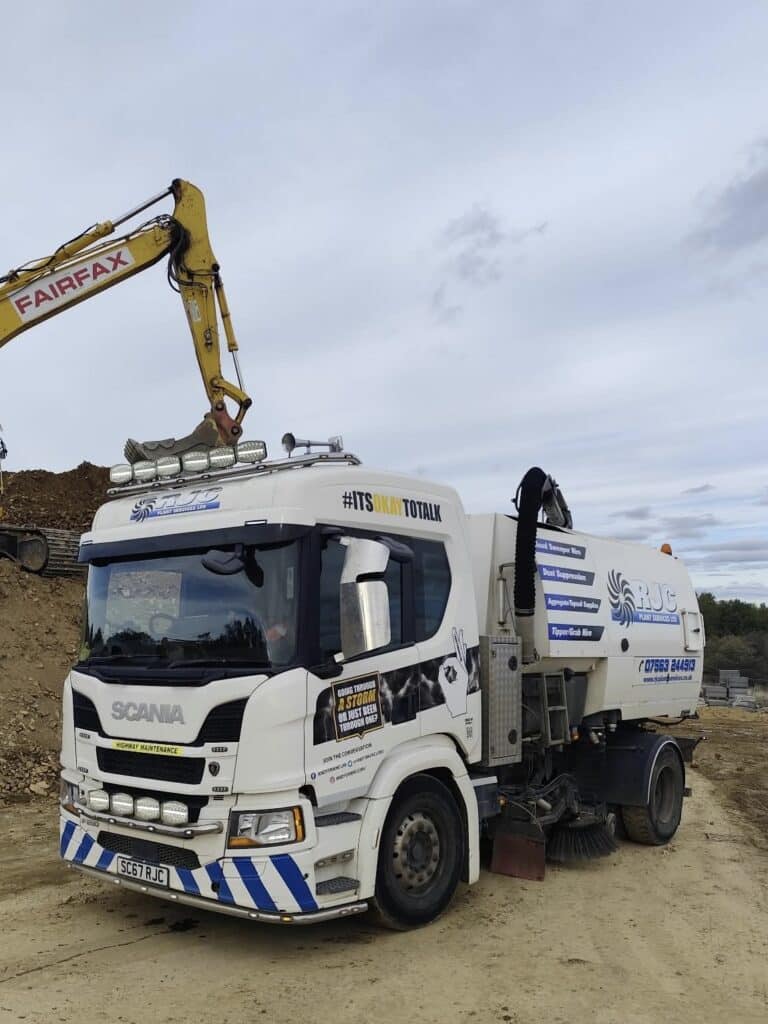
- Road sweeping: Helping maintain cleaner site entrances and surrounding roads during earthworks operations.
Whether you’re preparing land for a new development, undertaking highway works or managing a large-scale groundwork project, having the right equipment and reliable support can make a significant difference to the efficiency of your operations.
Planning an upcoming project?
Get in touch with RJC Plant Services today to find out how our muckaway and material transportation services can support your next construction project.